The Engineering Guide: How to Choose the Right Industrial Chain for High-Stakes Applications
In heavy industries like sugar processing, palm oil milling, cement production, and steel manufacturing, mechanical chains are the literal backbone of production. When a chain operates under continuous load, unexpected downtime does not just slow things down—it stops revenue entirely.
Choosing the right industrial chain is a balancing act between tensile strength, wear resistance, environmental tolerance, and long-term cost efficiency. Standard options rarely suffice when facing high abrasive dust, corrosive materials, or extreme shock loads.
Here is an engineering blueprint on how to select the optimal industrial chain for your specific sector's toughest applications.
1. The Core Variables of Chain Selection
Before focusing on industry-specific demands, every procurement manager and plant engineer must evaluate four core parameters:
- The Nature of the Load: Is it steady transmission, or are there frequent start-stop shocks and heavy structural impacts?
- Environmental Exposure: Will the chain face highly abrasive particulates (like cement clinker or slag), chemical corrosives (such as palm oil fatty acids), or extreme temperatures (such as steel mill cooling beds and reheat furnaces)?
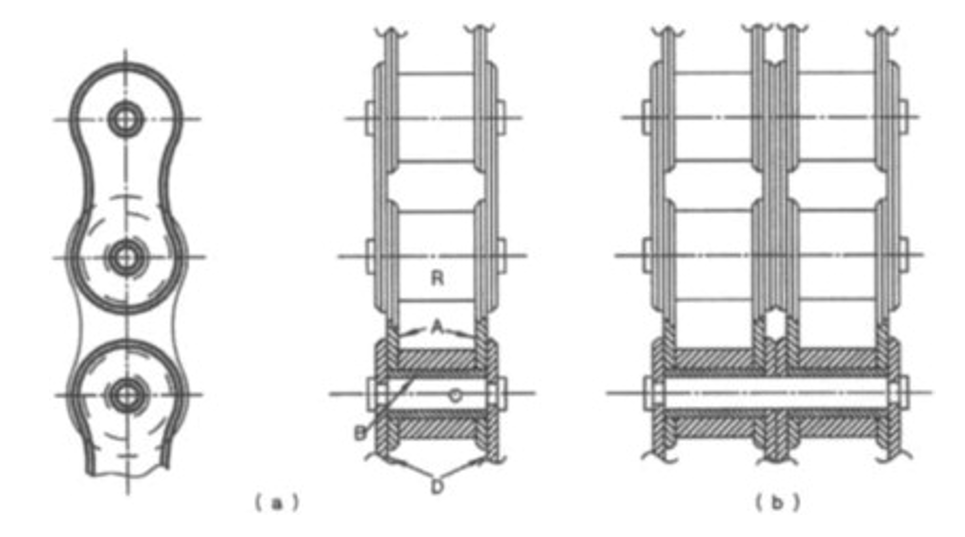
- Operating Speed and Geometry: High-speed drive applications require precision roller chains, whereas low-speed, high-mass material transport calls for engineered conveyor or forged chains.
- Lubrication Accessibility: Can the chain be manually lubricated consistently, or does the application require specialized or self-lubricating configurations to prevent premature wear?
2. Industry-Specific Deep Dives
The Sugar Industry: Combating Moisture and Corrosive Acids
Sugar cane processing is notorious for its harsh, highly seasonal operational periods. Chains used in bagasse conveyors, cane harvesters, and main mill drives must endure intense moisture and corrosive organic acids without seizing.
- The Right Choice: Heavy-duty, high-tensile Cane Carrier and Bagasse Conveyor Chains engineered with optimized pin and bushing clearances.
- Material Spotlight: Heat-treated alloy steels or premium series like HS Chain and IWIS, which utilize precise metallurgical engineering to ensure pins and bushes resist both the abrasive nature of cane fibers and chemical corrosion.
The Palm Oil Industry: Resisting Shock Loads and Sticky Acids
From fresh fruit bunch (FFB) scraper conveyors to sterilization cages and kernel extraction units, palm oil mills experience high shock loads alongside constant exposure to acidic fruit juices and steam.
- The Right Choice: Specialized Palm Oil Conveyor Chains featuring solid rollers and extended pin options.
- Material Spotlight: High-grade stainless steel components or specialized plating to prevent premature elongation caused by acidic wear. Ensuring the chain is food-grade or built to resist sticky oil buildup keeps maintenance cycles manageable.
The Cement Industry: Winning the Battle Against Abrasive Dust
Cement plants present one of the most punishing environments on Earth for rotating equipment. Bucket elevators, clinker deep-bucket conveyors, and reclaimer systems are continuously bombarded by highly abrasive limestone and clinker dust.
- The Right Choice: Hardened, heavy-duty Bucket Elevator Chains and Cranked Link Bushed Chains (such as the TRIO Forged Chain series).
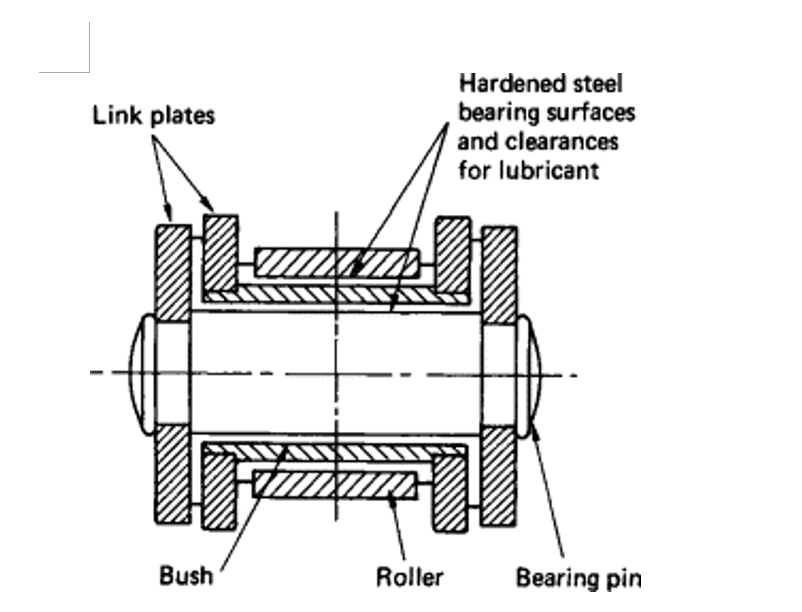
- Engineering Focus: For these environments, look for chains featuring high surface-hardened pins and bushings (carburized or induction-hardened) to resist abrasive wear, along with optimized seal configurations to lock out destructive dust particles.
The Steel Industry: Surviving Extreme Heat and Massive Masses
Steel manufacturing requires moving raw materials, hot slabs, and finished coils under immense weight and extreme radiant heat.
- The Right Choice: High-capacity Forged Scrap Conveyor Chains and high-precision, heavy-duty Double-Strand Roller Chains.
- Engineering Focus: Chains operating near blast furnaces or cooling beds require unique heat-treatment processes to prevent the steel from softening under high operating temperatures, ensuring the chain maintains its high breaking load and structural integrity.
3. Premium vs. Cost-Effective Chains: Finding the Right Balance
Maximizing your Return on Investment (ROI) means matching the chain's specification to the exact criticality and operating conditions of the machine.
- When to Choose Premium, High-Specification Brands: For critical, high-speed drives or processes where absolute synchronization is non-negotiable, investing in premium engineering is essential. Brands like IWIS Precision Roller Chains (Germany) are built to withstand extreme fatigue limits. They drastically reduce early elongation (stretching), minimizing the need for constant manual tensioning adjustments and protecting your secondary machinery from expensive breakdowns.
- When to Choose Cost-Effective, Heavy-Duty Brands: For massive bulk material handling networks, long conveyor paths, or high-wear environments where chains are replaced on a predictable maintenance schedule due to raw material abrasion, cost-effective alternatives offer the best return. Brands like HS Chain (China) deliver rugged, heavily reinforced industrial conveyor chains built specifically to handle abrasive raw materials. For standard drives, UNO Roller Chains offer heavy-duty, ISO-certified reliability, while TRIO Forged Chains provide the massive load capacity required for heavy raw material transport without over-inflating your procurement budget.
Partner with the Experts
Selecting the right industrial chain is more than matching a part number—it is about optimizing your entire conveyor or drive system to lower your overall operating costs.
At Motion Plus Corporation, we bring over 20 years of technical expertise to the Southeast Asian industrial sector. As a trusted distributor of world-class brands including IWIS, KMH, HS Chain, Dongbo (DB), and UNO&TRIO, our team helps you balance premium performance with cost-effective reliability to find the exact chain your specific application demands.
Ready to optimize your plant's reliability? Contact our sales engineering team today at contact@motionpluscorp.com to discuss your application requirements.
Deepen Your Knowledge: Technical References
If you would like to explore the core engineering principles, material standards, and wear calculations used in this guide, please consult the following foundational industry literature:
- American Chain Association (ACA). Standard Handbook of Chains: Chains for Power Transmission and Material Handling, CRC Press.
- Decker, K. Bulk Material Handling by Conveyor Belt and Chain: Design, Maintenance, and Optimization, Industrial Press.
- International Organization for Standardization. Short-pitch transmission precision roller and bush chains, ISO Standard No. 606:2015.
- iwis Antriebssysteme GmbH. The Chain Engineering Handbook: Calculation, Design, and Practice of Chain Drives.
- Srivastava, A. K., & Robinson, J. M. "Corrosion and Wear Performance of Heat-Treated Alloy Steels in Organic Acid Environments." Journal of Materials Engineering and Performance.